




 29 SEPTEMBER – 24 NOVEMBER 2012
The audience is the mother of self-invention:
Pierre Bal-Blanc, Nina Beier, Cornelius Cardew, Ján Mančuška, Babette Mangolte, Mattin, Lilo Nein, The Great Learning Orchestra, Olav Westphalen.
For the current and upcoming programme, please scroll down. For the educational activities, please visit the 'education' page on the website. The audience is the mother of self-invention is an ambitious weekly series of performance-based events and short-lived exhibitions by Swedish and international artists, curators, filmmakers, and musicians that will begin each Saturday. The series, which begins on 29 September and runs through to 24 November, launches a new multi-layered programme of activities initiated by Index’s new director Diana Baldon. Exhibitions, workshops and musical performances will focus on presenting and critically contextualising the work of practitioners whose production cross-breeds with contemporary art and resonates with the Foundation’s on-going explorations and interest in visual displays and viewer-related experiments. The series initiates Index’s intention to map out still-undisclosed art historical epistemologies. Through this process, Index aims to become an energetic site of identitary and discursive exchange; a stimulating platform for communication where innovative modes of aesthetic and curatorial production are confronted, with a view to address how they contaminate and re-configure one another. Each event will be accompanied with music by, among others, Philip Berger, Ben Loveless, Gavin Maycroft, Santiago Mostyn, Roger von Reybekiel (Fel), Kim West, and sculptural display elements specially designed for Index by Tamara Henderson and Carl Palm. During this time Index will focus its attention both on artistic and curatorial processes, and on the changing conditions for the presentation and reception of art. Instead of adopting the traditional format of a group exhibition, The audience is the mother of self-invention unfolds as a series of acts that, for three months, become an active form of showing and learning, whilst interrogating the expanded definition of scoring as a trans-scriptive device. Throughout the 20th century artists have used scores as a way to map out movement and to record thought. Graphic notations, verbal instructions, storyboards and stage directions have been elaborated as de-scriptive and pre-scriptive sign systems, focussing on the ability of artistic processes to translate concept and work. As the legendary Scratch Orchestra (1969-72) examined, they also forged social contracts with members of the public. Co-founded by the British composer Cornelius Cardew, this experimental musical collective encouraged improvisation through inviting untrained musicians to join. For Cardew - who in the mid-1970s became entangled with far-left politics - graphic and text-based scores defied the hierarchy between composer and performer, placing more emphasis on the mutuality of their relationship. This concept was played out in his understanding of “self-invention”, which he described as a process of becoming; of testing the tenacity of both performer and spectator. Today’s nostalgic fascination with Cardew’s radical musical and political practice hints at recuperating the Orchestra’s cultural memory, whilst opening up questions about the difficulties of how to reconcile artistic and political responsibilities. In the 21st century, artists have been revisiting and re-interpreting the infinite possibilities presented by scores as classic modernist tools. Annotations, variations, reconstructions and additions to the originals have become recognised trans-scriptive methods of work. These have evolved from the status of draft or documentary materials that stand in for objects, images or actions, into complex forms that put equal emphasis on both copy and original, or play with the act of re-staging historic precedents. This creates a productive space for discussion about the tensions between scoring and forms of agency involving the audience. Furthermore, it raises questions about the degrees of authenticity of a performance that transforms into an image, and its reception as documentary material. During a live event, the performer, the spectator, the mediating agent and the person behind the camera observe the action and inevitably enter into a mutually determining relationship. The presence of the performer is transferred to the presence of the spectator through the camera. As the Austrian curator and scholar Barbara Clausen argues, documentation is no longer a pseudo-neutral commemoration of a physical moment or object, but a translation that enables documentation to become autonomous. According to Clausen, artworks always depend on audiences. Their memories, as moments witnessed through individual or collective experiences play an important role. Spectators are chroniclers directly involved in the constitution of an artwork; they can replace visual components with the inscription of the artwork into its medial reception, constantly dispersing. By confronting these polarities — of ‘before’ and ‘after’, precondition and anecdote — The audience is the mother of self-invention analyses the complex interaction between trans-scriptive procedures, event, mediation, reception and dissemination.
PROGRAMME 17 November 2012 (the exhibition continues through to Saturday 24 November) Cornelius Cardew, The Great Learning Orchestra and display elements by Carl Palm 16:00 – 22:00 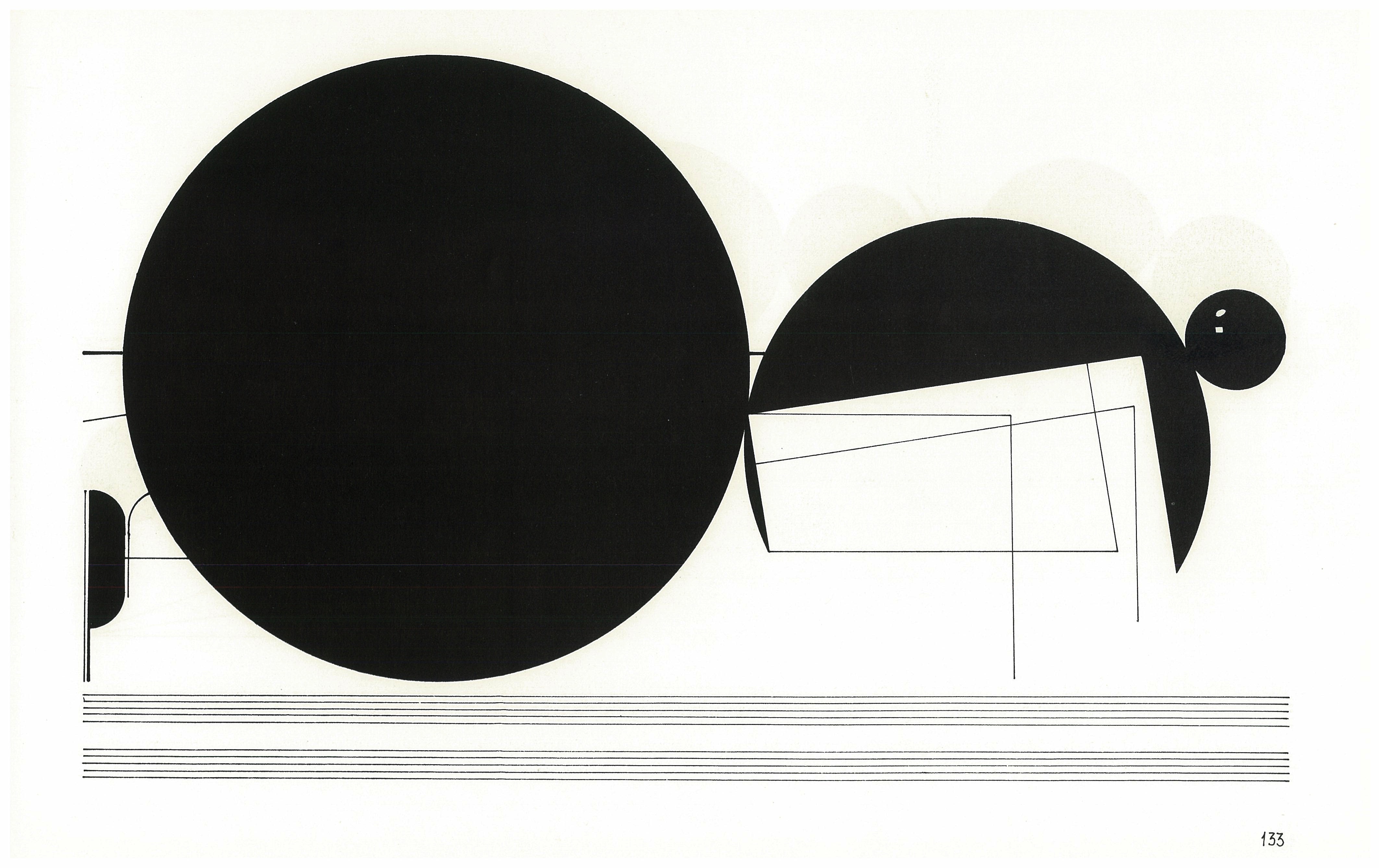 TREATISE by Cornelius Cardew © Copyright 1967 by Peters Edition Limited, London Reproduced by kind permission of Peters Edition Limited, London an Edition Peters Group company Throughout the 20th century artists have used scores as a way to map out movement and to record thought. Graphic notations, verbal instructions, storyboards and stage directions have been elaborated as de-scriptive and pre-scriptive sign systems, focusing on the ability of artistic processes to translate concept and work. As the legendary Scratch Orchestra (1969-72) examined, they also forged social contracts with members of the public. Co-founded by the British composer Cornelius Cardew (1936-81, UK), this experimental musical collective encouraged improvisation through inviting untrained musicians to join. For Cardew – who in the mid-1970s became entangled with far-left politics – graphic and text-based scores defied the hierarchy between composer and performer, placing the emphasis on the mutuality of their relationship. This concept was played out in his understanding of “self-invention”, which he described as a process of becoming, of testing the tenacity of both performer and spectator. Today’s nostalgic fascination with Cardew’s radical musical and political practice hints at recuperating the Orchestra’s cultural memory, whilst opening up questions about the difficulties of how to reconcile artistic and political responsibilities. Index has selected 37 pages from the 193-page original score Treatise that Cardew wrote between 1963 and 1967 as a forerunner of the Scratch Orchestra. Inspired by Ludwig Wittgenstein’s Tractatus Logico-Philosophicus (1922), it comprises thick, curving, broken lines and various geometric and abstract shapes that, resembling diagrams, charts or Art Deco’s ornaments, eschew conventional musical representation. These stand in for signs that performers choose in order to structure their own methods of interpretation, an improvisational process aimed at dismantling the prevailing composer/performer relationship of Western art music which reached its most extreme expression in post-1945 serialism – a relationship marked by an increasing dominance of the role of the composer while the performer is restricted to the role of ‘systems-expert’. The work will be presented within display elements by Carl Palm. 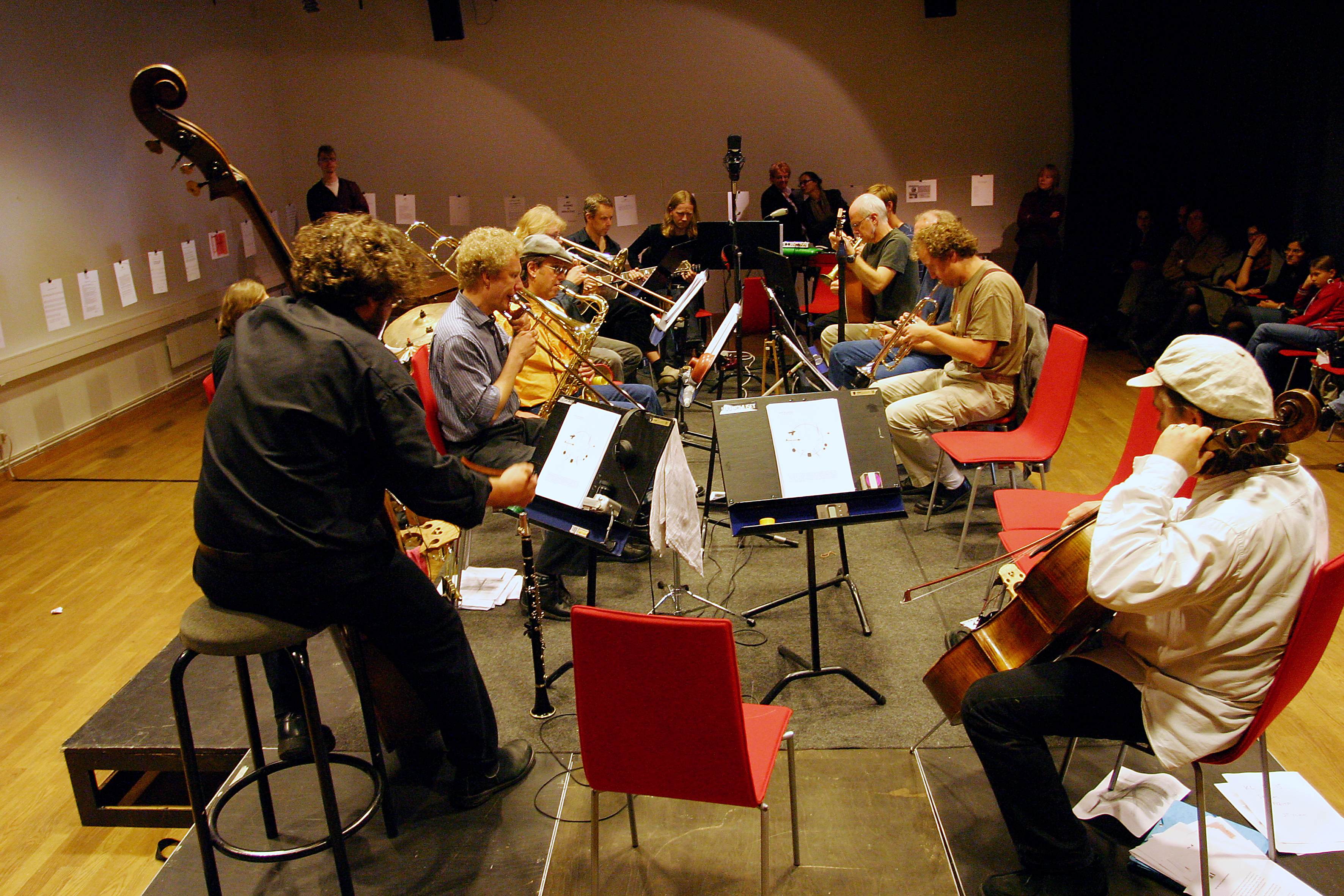 The Great Learning Orchestra, A4 Room (2004), performance and installation as part of Perfect Performance Festival at Kulturhuset, Stockholm Photo copyright: Ingvar Loco Nordin The Great Learning Orchestra (GLO) is a Stockholm-based network of musicians founded in 1999 by Leif Jordansson and Pelle Halvarsson. Its name derives from the renowned work The Great Learning (1968-70) by British composer Cornelius Cardew by whom the ensemble has been largely influenced, particularly in regards to his understanding of musical composition as a form of openness, experimentation and participation. For each new project, the ensemble selects practitioners from diverse backgrounds from a pool of over 100 musicians who come together to perform exploratory music that has listening as its central focus. Since its inception, GLO has performed a variety of contemporary and experimental works which have included a spontaneously-orchestrated 24-hour performance of Erik Satie’s Vexations (1893), successful performances under the direction of the composer Gavin Bryars of his Jesus’ Blood Never Failed Me Yet (1972) and The Sinking of the Titanic (1969), as well as Terry Riley’s work Tread on the Trail (1965). In 2006, the orchestra gave the first complete performance of Lou Reed’s legendary Metal Machine Music (1975) in a new arrangement by Ulrich Krieger, and a concert version of the soundtrack The Texas Chainsaw Massacre accompanied by live chainsaws and a screaming choir. Recent performances included John Cage’s composition Imaginary Landscapes (1939-52) in the framework of Moderna Museet’s pavilion Bucky Dome, and Christian Marclay’s Graffiti (1996-2002) as part of the exhibition More than Sound at Bonniers Konsthall. Music by Mattin and Santiago Mostyn. --------------------------------------------- 10 November 2012 (the exhibition continues through to Wednesday 14 November) Babette Mangolte, Lilo Nein and a skype discussion with Barbara Clausen 16:00 – 22:00 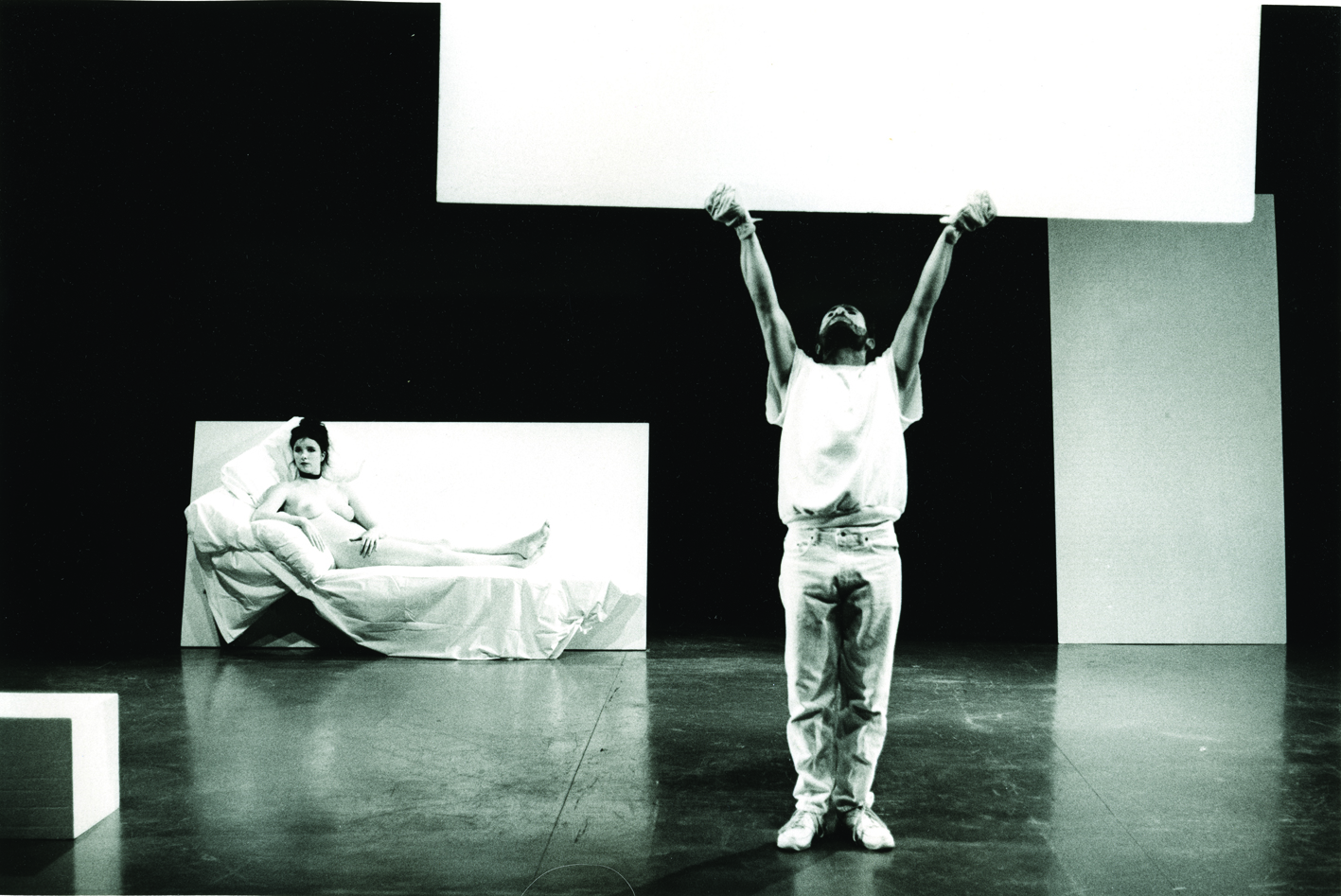 Babette Mangolte, Four Pieces by Morris, 1993 DVD transferred from 16mm film (colour, with sound, 94 minutes) Courtesy of the artist and BROADWAY 1602, New York 16:30 – 18:00 Babette Mangolte: screening of Four Pieces by Morris, 1993 Babette Mangolte’s (b. 1941, France) works are extremely influential in the field of documentation and representation on filmic medium of both the aesthetics and notion of distended time in earlier performance art. Alongside documentaries and narrative films, in the 1970s Mangolte made several films of choreographers and visual artists working with performance. Their practices were at the core of major changes in art in the 1960s focusing on the experiential, the durational and the body. The film Four Pieces by Morris (1993) was realised in collaboration with the artist Robert Morris in the framework of the latter’s retrospective at the Guggenheim Museum (New York). Known for his historically-relevant contributions to Minimalist sculpture and Process Art, in the 1960s Morris and his wife Simone Forti participated in a confederation of dancers known as the Judson Dance Theater for which he choreographed the works Arizona (1963), 21.3 (1964), Site (1964), and Waterman Switch (1965). These form the base of Mangolte’s scripted and filmic reconstruction in a studio which, devised from Morris’ original notes, attempts to portray the experience of these performances from the side of viewers present then, and at the same time to meet the expectations of film spectators three decades later. Whilst the film’s tempo and camera work derive from the preoccupation at the time of Morris’ sources with the concepts of duration and theatrical time, the disconnection between images and original soundtracks allows his pieces to be transformed into a filmic ‘space’. 18:30 – 19:00 Skype discussion with Barbara Clausen, curator and professor for art history at the University of Quebec, Montreal Clausen will discuss the impact and questions triggered by Mangolte’s film Four Pieces for Morris, and her curatorial concept for Mangolte’s first institutional solo exhibition in Montreal in Spring 2013. By doing so, Clausen will consider the complexity of Mangolte’s practice as a chronicler of performance art and the discovery and success of her current artistic work, emblematic of the visual politics of performance art’s increasing institutionalization. Mangolte’s work is rooted in the tension field between the staging of the documentary and the documentary of the staging, which stands for her ability to differentiate and articulate performative practices through their transcription into still and moving images. In this way it enables the exhibition format to become a dispositive in which the ‘mise-en-abyme’ of the correlative relationship between performance art and archival status can be played out. 19:00 – 22:00 Lilo Nein: Performance as Text as Performance, 2012 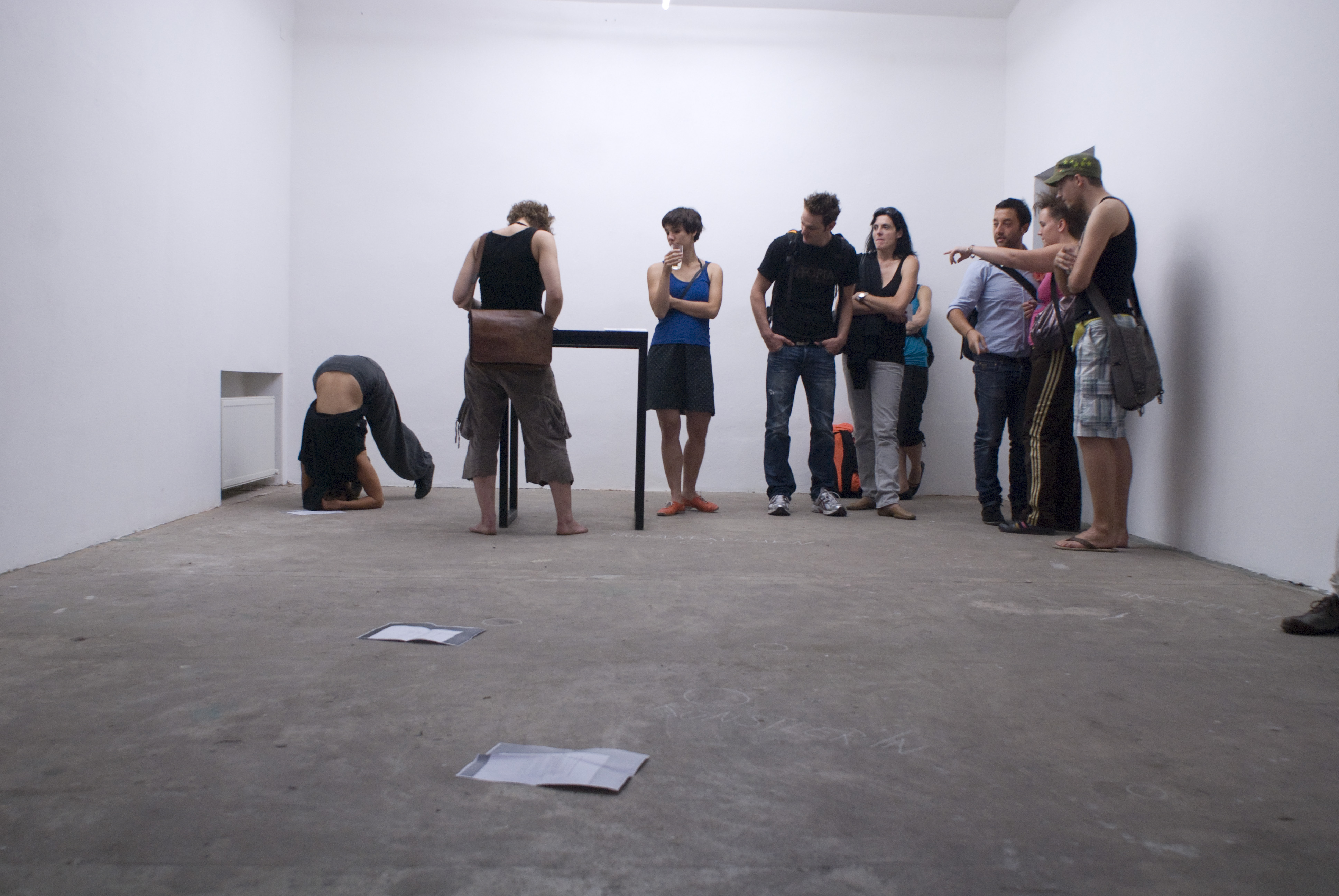 Lilo Nein, Text_ Translation_ Performance, 2009 Performance at Ve.Sch, Verein für Raum und Form in der bildenden Kunst, Vienna Photo copyright: Claudia Rohrauer, Vienna
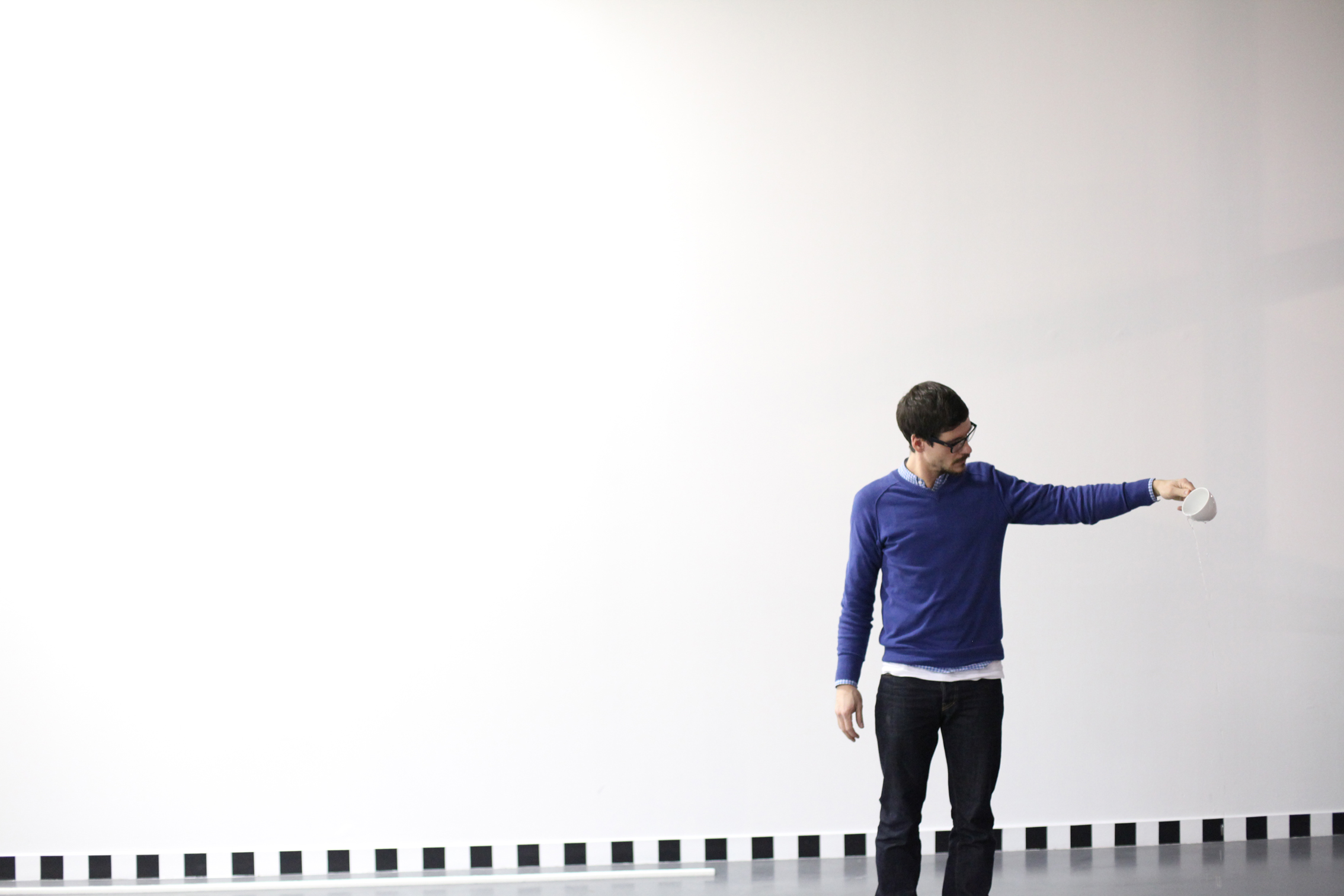
Lilo Nein (b. 1980, Austria) is an artist and a theorist based in Vienna. Her Performance as Text as Performance (2012) is a durational piece that takes its inspiration from Nein’s publication (Translate Yourself!) Selbst Übersetzen! (2009). Here she develops the thesis that text can be a performance per se by presenting a collection of scores for performances conceptualised by other artists, choreographers and activist collectives. These can be read or performed by anyone who, in the function of reader-interpreter, exerts a form of authorship able to undermine the totality of the aesthetic work. Similarly, her new “peformative structure” addresses the complex possibilities to interpret text into performative acts and, accordingly, into actions, movement or voices. It proposes an equal relationship between text and performance on the basis of the permutable translation into one another. By doing so, it recalls one of the most virulent themes in the history of modernist art discourse: the relation between artist and recipient after the death and resurrection of the author.
Music by Gavin Maycroft --------------------------------------------- 27 October 2012 (the exhibition continues through to Wednesday 7 November) Ján Mančuška, Olav Westphalen and sculptural displays by Carl Palm
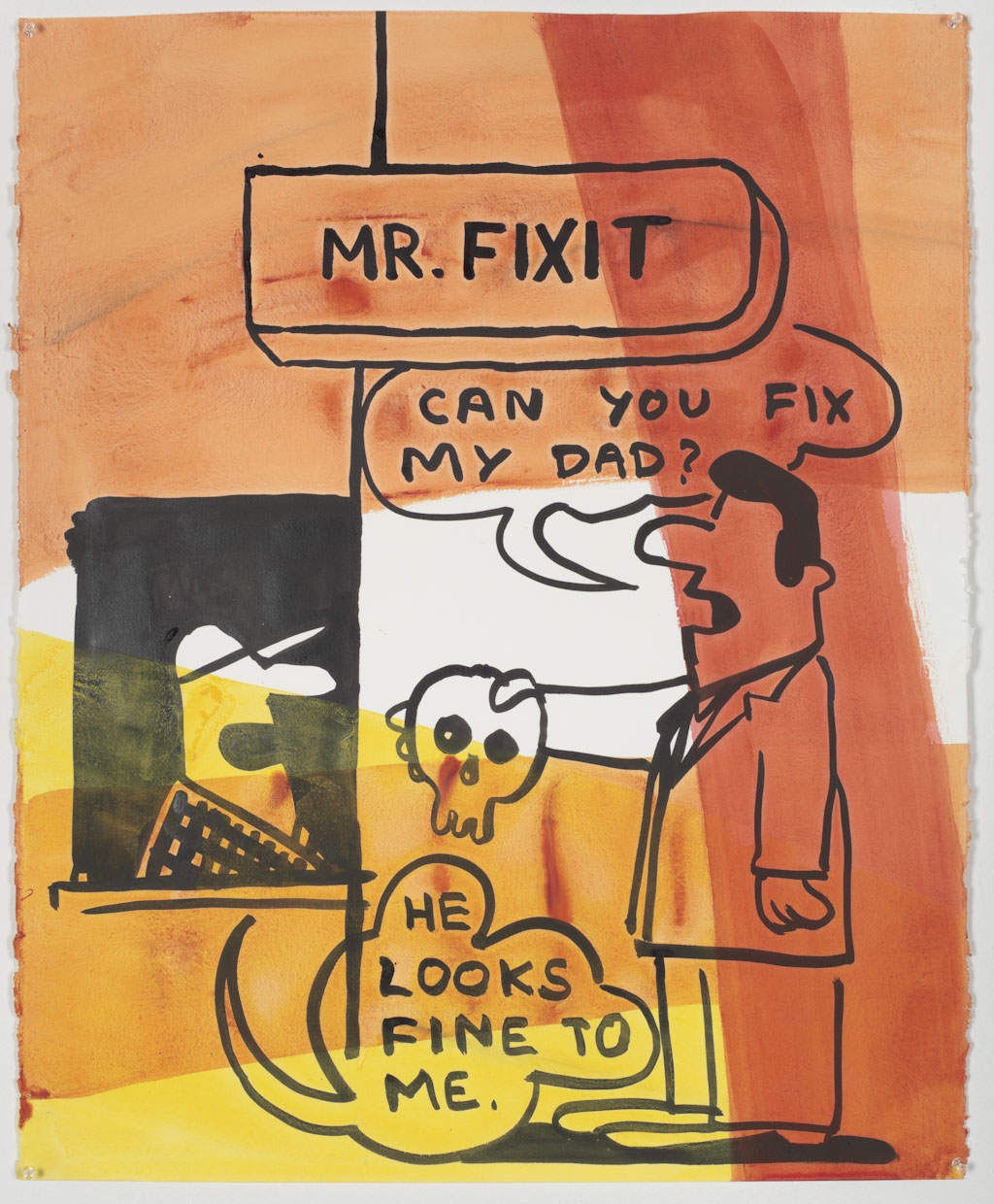
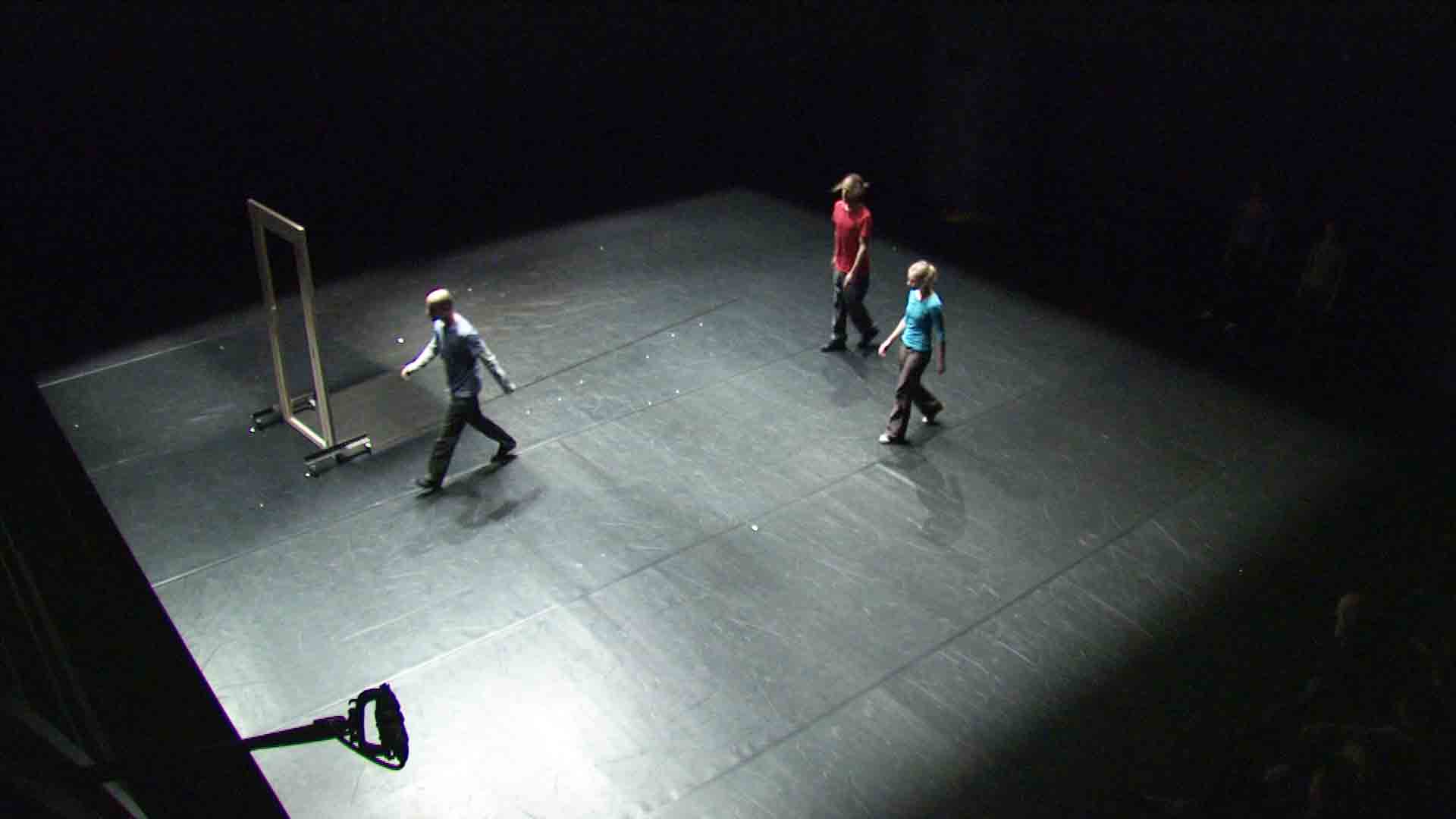
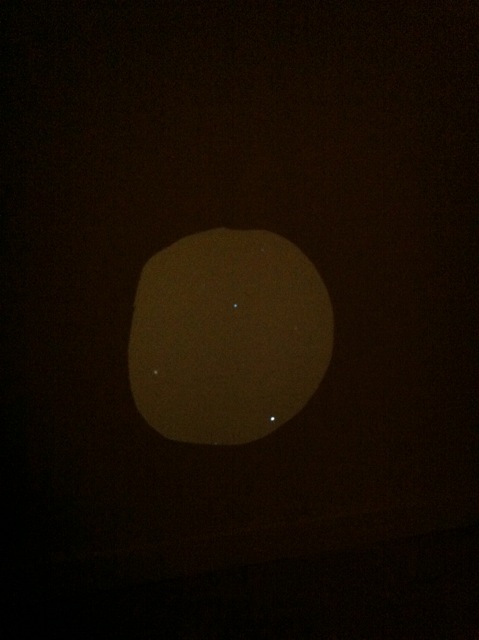
19:00 – 19:30 Olav Westphalen: Even Steven: A (variety show) lecture Just before his death last year, the Slovak artist Ján Mančuška finalized a filmic version of his acclaimed theatre performance Reverse Play. Like many of his other works, the play defies conventions in story-telling. In this drama story and scenic action are disjointed and follow opposite directions: dancers perform the piece back to front while an actor, seated among the audience, narrates the storyline in a linear way. On stage everything runs counter to the narrative logic, even breathing and walking. As the play progresses, it becomes increasingly apparent that the action performed and the narrator's story are out of sync. The filmic version is an autonomous artwork, based on the latest staging of the theatrical piece in 2010 at Theatre Archa (Prague). Prior to that, Reverse Play was premiered in 2008 at the Royal Danish Opera as part of the U-TURN, Quadrennial for Contemporary Art (Copenhagen), and in 2010 at the Hebbel am Ufer in cooperation with the 6th Berlin Biennale. Presented for the first time in an exhibition, a selection of diagrams that Mančuška conceived as scores of Reverse Play that map out the relationship between narrated story and action, the mirror structure of the piece in which the sequence shown on stage in real time is the same as the sequence being described, but at opposite temporal levels. Sculptural displays by Carl Palm Mančuška’s and Westphalen’s works are complemented by works of the Swedish artist Carl Palm. These act as supportive displays elements. Specially conceived for Index, A conductors baton reached maximal potential energy in caramel (2012) is a free-standing object which body reveals Mančuška’s diagrams behind a varnish-like thick liquid. Slowly giving form by force of gravity, the coating frames and “controls” the dynamism suggested by the diagrams. Resembling a theatre spotlight projecting a circular image, Blind Spot (2011-2012) consists of a 35-mm film lowered to a depth of 215 meter into the Black Sea. Staying in the course of a day to a sea level where light drops to 0 – 1 %, the piece attempts to give formal manifestation to an impossible “black projection” in the name of its endgame. Ce n’est pas une brioche (2011) is a curtain piece that was sown to demarcate spaces in the context of a group exhibition previously curated by the artist in his apartment. Music by Philip Berger 6 October 2012 (continues through to Wednesday 10 October) Nina Beier: Tragedy (2011) and Morphological Mimicry and Mympathetic Magic (2010) 17:00 - 20:00 As part of the on-going series The audience is the mother of self-invention, the Danish Berlin-based artist Nina Beier presents two artworks that construct what appears to be a discrepant but mirrored situation. Beier’s practice reflects the complex interplay between the mechanisms of visual perception and the conditions of (re)presentation in art. Often based on specific instructions or simple suggestions, her works question the status of the art object and its diverse presentation contexts. Tragedy (2011) is a performance involving a dog owner bringing their canine companion to come and play dead on an outsized Persian carpet. The dog lies in an immobile pose and, for a short span of time, becomes a still life. While the dog unknowingly performs its own end, it manifests the artist’s desire to control an animal that by nature is incontrollable, such as art making. At the same time, viewers are reminded of the artificial and “frozen” nature of an exhibition. Differently, Morphological Mimicry and Mympathetic Magic (2010) shows a figurative sculpture by the Swedish artist Sivert Lindblom: this small sculpture, realised in 1968, is presented against a curtained backdrop of the same colour. While in the gallery setting Beier’s seemingly effortless juxtaposition functions as a stage for Lindblom’s work, in the process of being translated into image documentation, it overturns such effect, making it disappear to highlight the intricate relation that exists between first-hand experience and representation.
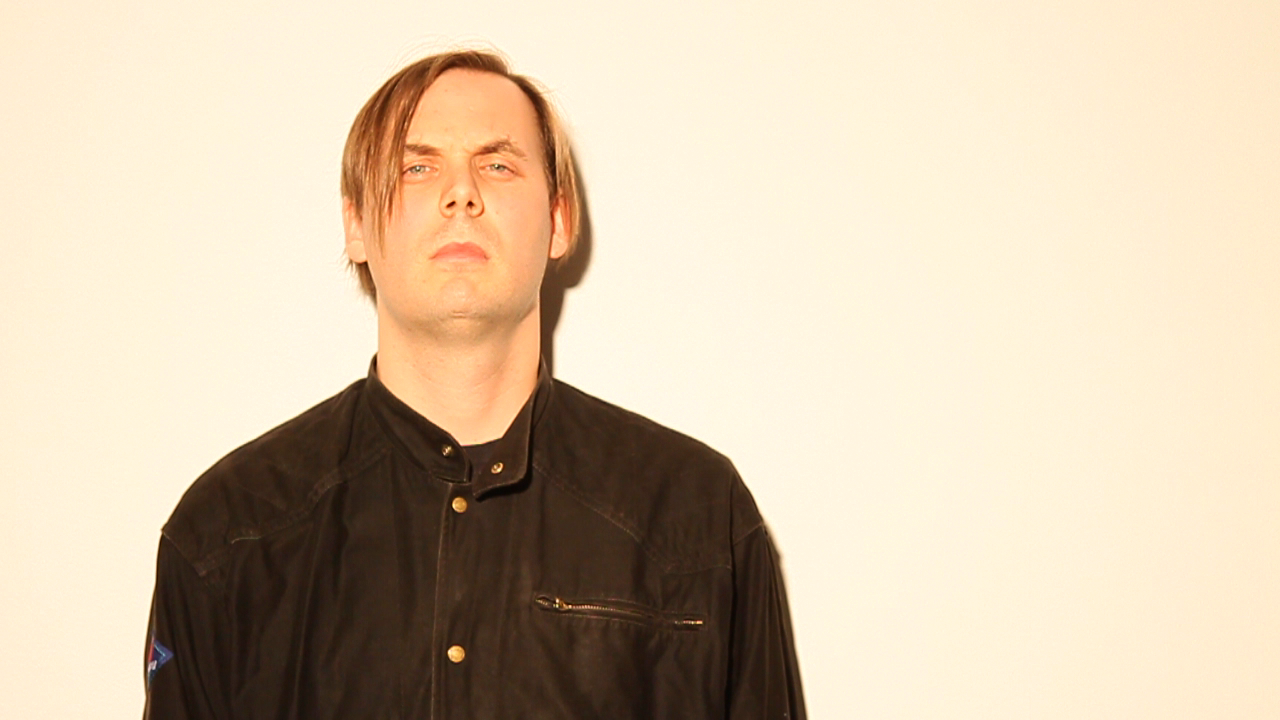
29 September 2012 Pierre Bal-Blanc: Draft Score for An Exhibition (2010) 17:00 – 17:30 Draft Score for An Exhibition is an exhibition conceived by the French curator Pierre Bal-Blanc in several acts, in which each session adheres to the rules of a score performed either by its author or by a third party. It was first developed by Bal-Blanc as an oral presentation to be performed in response to the invitation to curate the 7th Berlin Biennale. Since then it has been re-staged in 2011 by the artist at Le Plateau, Paris, and Secession, Vienna; by Pierre Simon (mediator for the art center) at CAC Brétigny; by Emilie Parendeau (artist) at the Institut Français du Portugal, Lisbon; and by Giacomo (escort boy) at Artissima art fair, Turin. At Index, Draft Score for An Exhibition will be performed by Viktor Gustav Nyström Sköld, a volunteer who recently completed The Swedish Royal Guard services. Mattin 18:00 – 19:00 p.m. (You've got to make him) Express himself Hey, hey, hey, hey So if you want it right now, make him show you how Express what he's got, oh baby ready or not Express yourself (You've got to make him) So you can respect yourself Hey, hey So if you want it right now, then make him show you how Express what he's got, oh baby ready or not (Text supplied by the artist as project description) --------------------------------------------- Index is funded by the Swedish Arts Council, the City of Stockholm, and Stockholm County Council. The project is kindly supported by the Connect Hotel City, the Danish Arts Council Committee for International Visual Arts, Iaspis, the Tjeckiska Centret Stockholm. With thanks to A.W.B, Marcus Baldemar, Philip Berger, Horace Cardew, Barbara Clausen, DogModels, Eivy Flodis Parfumerie, Elisabet Eurén, Fylkingen, Carl Fredrik Hårleman, Julia Hölz and the Ján Mančuška Estate (Prague), Susanne Jaczewski and her dog Magic, Markéta Kubacavoka and Tranzit (Prague), Sivert Lindblom, Ben Loveless, Santiago Mostyn, Nils Ossian Andersson AB, Roger von Reybekiel (Fel), Viktor Gustav Nyström Sköld, Stockholms Auktionsverk, Tensta konsthall, Kim West, Lina Zevalia, Per Åhlund, and all those who helped bringing the programmes together.
|
|